Distances Are the Whole Planning Problem
Rural Nevada rewards travellers who plan around drive times rather than around a list of sights. From Las Vegas, Beatty is roughly two hours via US-95 and US-374, Ely is about four hours on US-93, and Austin sits around four and a half hours out on US-50, the Loneliest Road in America. These are comfortable highway miles in good weather, but fuel stops thin out fast after Tonopah and Wells, so treat every half-tank as a decision point and never pass a station assuming the next one is open.
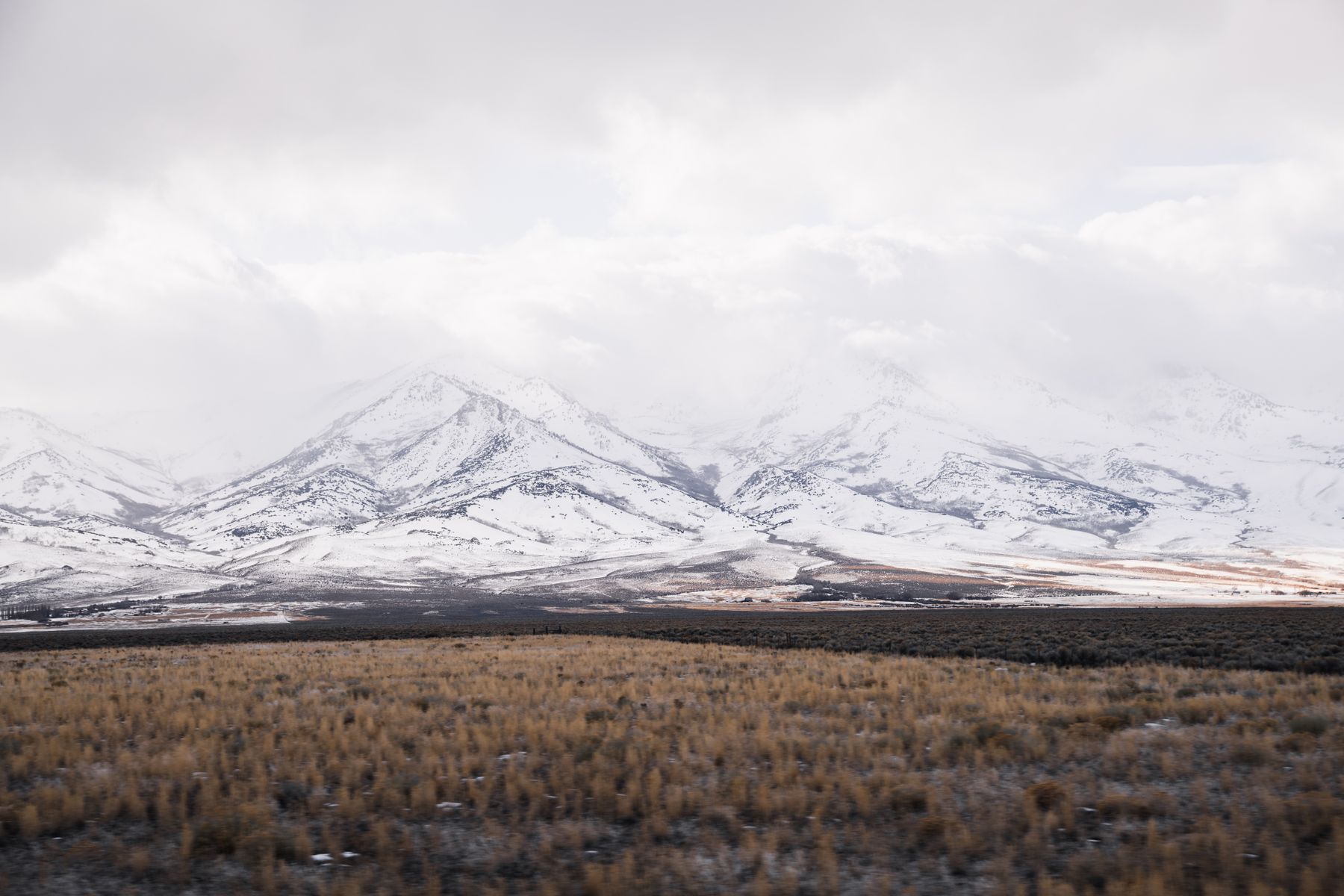
Spring and autumn are the sweet spot. April to May and September to October bring daytime highs in the seventies to low eighties Fahrenheit, cool nights and clear skies for stargazing; July around Beatty regularly pushes past 100, and January at Ely can sit below freezing with snow on the Schell Creek Range. Cell coverage is patchy between towns, so download offline maps before leaving and keep a paper backup for the stretches through Nye and White Pine counties.
Where to Base Yourself
Beatty is the practical choice for a first rural trip: it sits at the edge of Death Valley National Park, about 45 minutes from the Furnace Creek entrance in winter, and has a handful of motels and RV parks with rates that usually run well under Las Vegas Strip pricing, though you should confirm current rates directly with each property. Ely works well for the eastern side, with the Nevada Northern Railway and Ward Charcoal Ovens within easy reach, and Tonopah makes a sensible single overnight for anyone driving US-95 between Las Vegas and Reno.
If I were booking, I would choose Beatty for two nights and Ely for one, rather than trying to cover US-50 in the same trip. Austin and Eureka are worth a look but have very limited accommodation, often just one or two small properties, so book those further ahead than you would expect for a town of a few hundred people. Skip trying to see Great Basin National Park and Death Valley in the same long weekend; the drive between them is over six hours.
Towns, Services and What to Skip
Rural Nevada towns are small and honest about it. Beatty has a grocery store, a couple of cafes and a gas station or two; Ely is larger, with a supermarket, a hospital and more dining options. Expect limited opening hours, especially on Sundays and in winter, and cash still helps at smaller businesses. Restaurants often close by 8pm, so eat early or carry food. The visitor centres in Ely and Tonopah are genuinely useful for current road conditions and park access.
Skip the assumption that national park facilities run year-round on full schedules. Great Basin's Lehman Caves tours require reservations and fill quickly in summer, and some Death Valley services scale back in the hottest months. Rather than cramming in every roadside marker, pick two or three anchors and leave room for the drive itself, which is the real attraction: the Extraterrestrial Highway, the sand dunes near Fallon and the ranching country along US-50 all reward unhurried travel.
Practical Detail That Saves the Trip
Book accommodation before you fix the itinerary, not after. Rural properties are few, and a single sold-out motel can add an hour of driving at night on roads without street lighting. Ask directly about late check-in arrangements, since front desks in smaller towns may close in the evening, and confirm whether your room has reliable Wi-Fi, because many do but not all. A cooler, two gallons of water per person and a full tank are sensible defaults from May through September.
Wildlife is real: deer and pronghorn cross US-93 and US-50 at dusk, so aim to finish driving before dark where you can. Elevation matters too, with Ely at about 6,400 feet, so give yourself a day to adjust before hiking. For booking, I would reserve a Beatty motel with free cancellation as a base, then add nights in Ely once your dates are firm, and keep one flexible night for weather or a road closure.
Good to know
Questions, answered
Do I need a four-wheel-drive vehicle for rural Nevada?
Not for the main highways, which are paved and well maintained. A standard car is fine for Beatty, Ely, Tonopah and US-50. Four-wheel drive only helps if you plan to reach remote trailheads or dirt roads, and rental agreements often restrict those anyway.
When is the best time to visit Great Basin National Park?
June to September gives access to the high country and the Wheeler Peak scenic drive, though afternoons can bring thunderstorms. May and October are quieter and cooler. Lehman Caves tours run year-round but should be reserved ahead, particularly in summer when slots fill quickly.
How far in advance should I book hotels in small Nevada towns?
For Beatty and Ely, two to four weeks is usually enough outside holiday weekends. For Austin, Eureka or anything near Great Basin during summer, book six to eight weeks ahead. Accommodation is genuinely limited, and last-minute availability in towns of a few hundred people is unreliable.
Doing good is the business: every booking through Stay Nevada funds one verified tonne of carbon removal — same room, same price, no markup.
Search stays